
Succession Scandals that Changed the Course of History
Imagine clawing your way to the top, only for rumors to swirl that you don’t deserve it. That you’re illegitimate.
In royal circles, it’s not just an insult, spoken in hushed tones - it can be a full-blown constitutional crisis.
From bastard princes to baby-swapping conspiracies, history is full of scandals that shook empires and reorganized the lines of succession.
Today, we’re diving into six of the most impactful legitimacy scandals from history that didn’t just raise eyebrows - they rocked the throne.
1.James Francis Edward Stuart
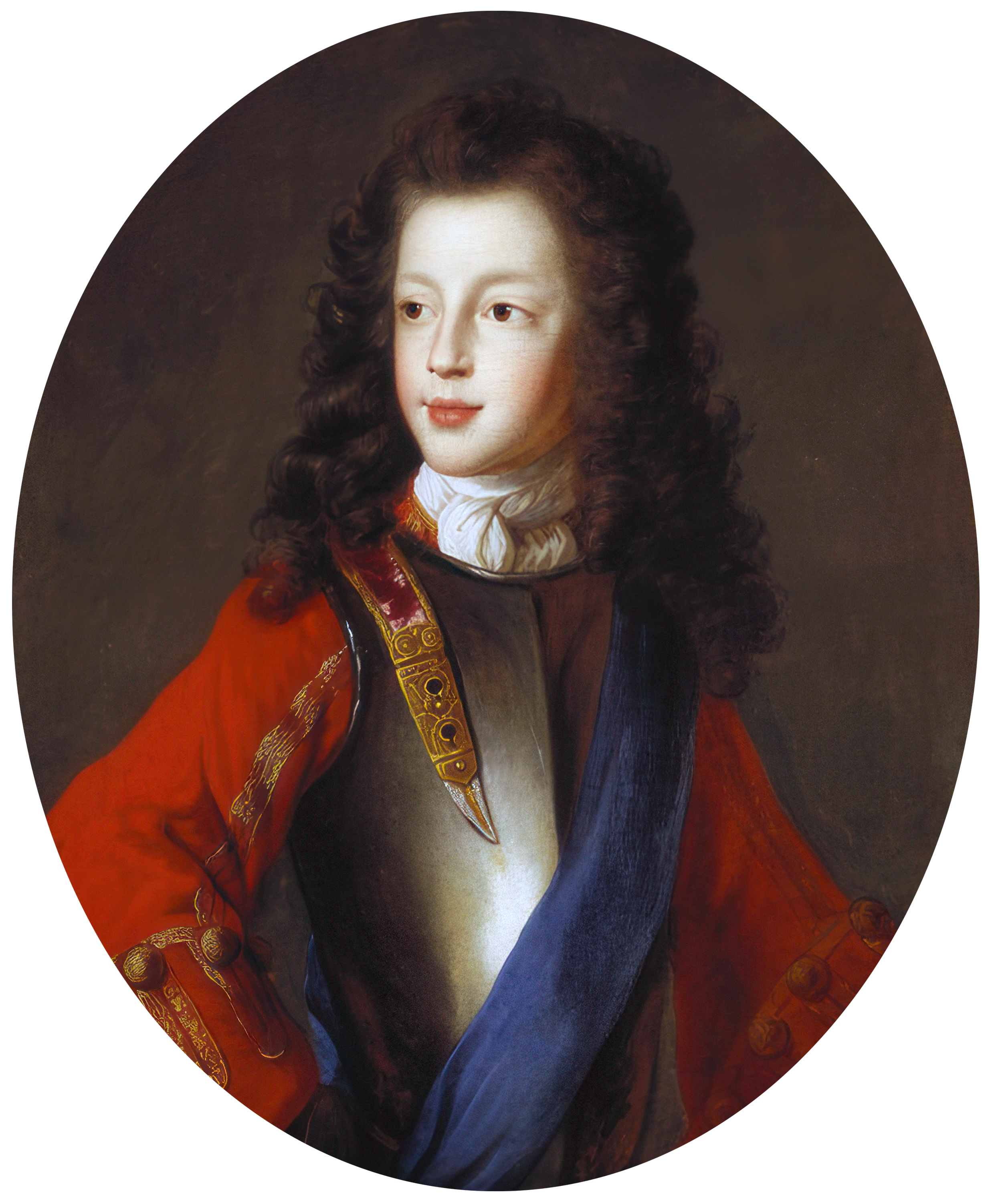
First, let’s talk about the most infamous royal baby swap allegation in British history: the Warming Pan Baby scandal.
In 1688, King James II and his much younger Catholic queen, Mary of Modena, were celebrating the birth of a baby boy - a legitimate heir! named James Francis Edward Stuart.
But what should have been good news, solidifying the line of succession, instead triggered a political meltdown in England and Scotland.
Building up over decades, religious tension was increasingly splitting the country in two. The Protestant Whig party controlled parliament, and they were tired of butting heads with the Catholic Monarch. It would make more sense for one of their own to be King.
So, when Queen Mary became pregnant, slander immediately began. People said that she wore a false belly, and that her pregnancy was all a ruse.
And when she did give birth to a healthy baby boy, things got even more tense.
Rumors spread instantly that the baby wasn’t the queen’s at all, that in fact, a stillborn baby had been born… and secretly replaced with a smuggled newborn, supposedly hidden inside a warming pan.
Which, if you’re not familiar, is kind of a brass pan that could be filled with hot coals to pre-warm a bed.
Protestants who feared a Catholic monarchy clung to the rumor like it was gospel, and they just would not let it go.
But King James had anticipated these rumors, and he was one step ahead. He made sure Maria’s birthing chamber was packed with eyewitnesses (which I’m sure was very pleasant for her).
But what seemed like airtight proof that this baby was legitimate was simply ignored by the Protestants. This lie was so powerful it helped fuel the Glorious Revolution, which overthrew James II and instead installed the Protestant William of Orange.
He fled, and his baby — the so-called “warming pan boy” — grew up in exile, doomed to be known as the Old Pretender, claiming the British throne for decades.
While historians don’t give the rumors any real weight, young James never got the crown. But the scandal? It lived on.
2. Cesare Borgia
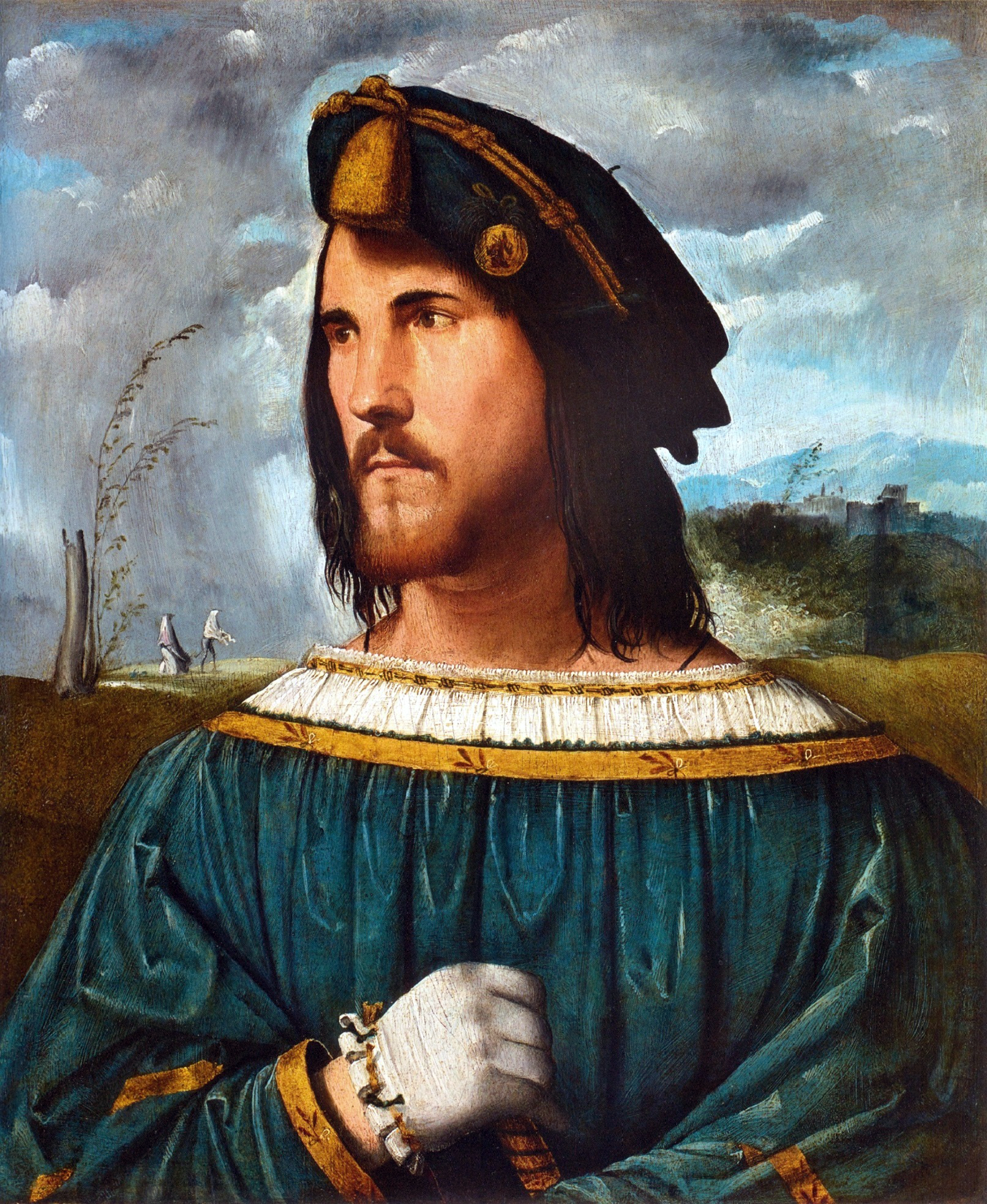
Ever wonder where the word nepotism comes from? It’s not just some dusty Latin root - it’s actually juicy papal history. The word comes from nepos, meaning “nephew,” because for centuries, popes had a little habit of promoting their “nephews” (or in this case, fake nephews) into the college of Cardinals.
At this point, we may never find out.
In Italy during the renaissance, powerful families essentially ran the church. They used the role of pope almost like that of a King.
Take Rodrigo Borgia. He became a cardinal thanks to his uncle the pope, then climbed even higher to become Pope Alexander VI. And, once that papal tiara rested on his head, he did the exact same thing. He elevated his own nephew Cesare to the rank of cardinal.
Except, and you probably saw this one coming - Cesare wasn’t his nephew at all. He was his own son. One of four children he fathered with his long-time mistress, the noblewoman Vannozza dei Cattanei.
Everyone knew it, but the polite fiction kept things tidy. It was only after Rodrigo became pope that he acknowledged his children openly.
And Rodrigo handed out favors like candy: Cesare and his brother Giovanni were showered with titles and power. Giovanni, the golden boy, got lands and the top job running the papal military.
But in 1497, Giovanni turned up dead. The investigation dragged on for a year, but no one was ever charged. Rumors swirled that Cesare himself had arranged it, jealous and ambitious as he was.
Whatever the truth, Cesare didn’t waste time sulking. He ditched the cardinal’s robes, married French nobility to form a smart alliance with the French king, and basically built himself into a Renaissance warlord, powered by the papacy.
His father rewarded him with more land, more titles, and command of the papal armies — the job his dead brother once held. Cesare expanded his power ruthlessly, carving out his own principality.
Supporters hailed him as brilliant — Machiavelli even used Cesare as an example in his work The Prince, which was essentially a manual for being as cutthroat as possible.
Detractors, though, painted him as a monster of ambition and appetite. Tales of his debauchery were spread by Johann Bouchard, with the most infamous being the so-called Banquet of Chestnuts: a wild night at the papal palace, allegedly hosted by Cesare, where courtesans, cardinals, and scandal all mingled together in spectacularly unholy ways.
So how did Cesare Borgia change history? His bold, bloody life shaped Renaissance politics and caused an entire re-evaluation of canon law. His death ended the Borgias’ meteoric rise — but not their lasting mark on history. Centuries later, the name still drips with sin, power, and scandal.
3. William the Conquerer
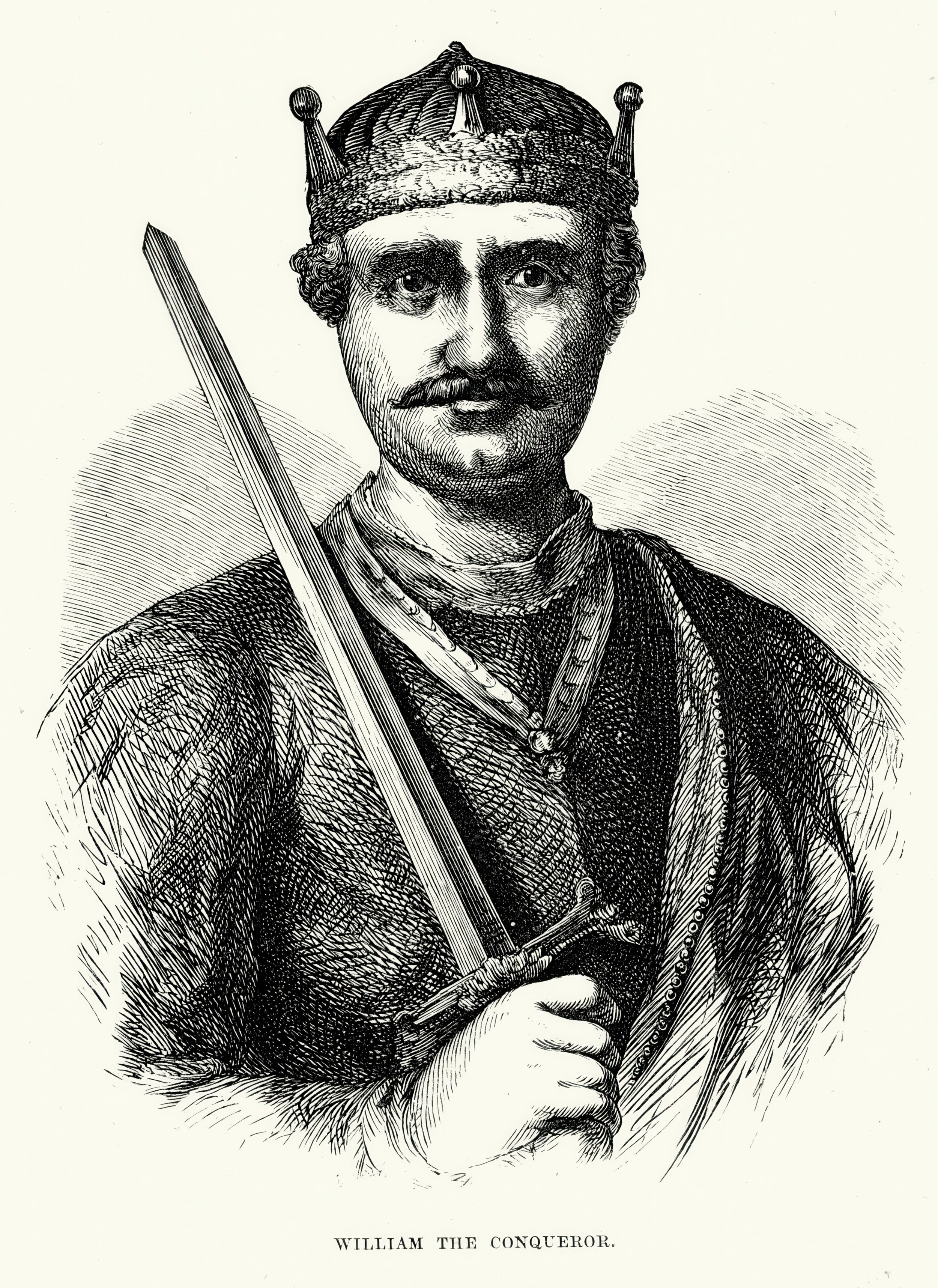
Did you know that William the Conqueror, the man that basically kicked down England’s front door and made himself at home - was certainly not legitimate?
He was born around 1027 in Normandy, the son of Robert the Magnificent and a woman named Herleva. But, we know for a fact that Herleva wasn’t Robert’s wife.
She may have been the daughter of a tanner, she may have been a mistress — historians argue, but one thing’s clear: William was illegitimate. And his enemies never let him forget it, gleefully calling him William the Bastard.
His father Robert didn’t care. He made William his heir anyway. So when Robert died, little William — not yet 10 years old — suddenly had the duchy of Normandy to run.
Chaos ensued pretty much immediately.
His guardians were murdered left and right, plots swirled, and William himself had to go into hiding more than once. Somehow, he survived it all and grew up hard, ruthless, and unshakable.
By the time he married Matilda of Flanders — a smart political match that solidified his power — William was both a deadly warrior and a cunning politician.
Then, the year 1066 rolled around. The King of England, Edward the Confessor, died childless, and Harold Godwinson, the Earl of Wessex, grabbed the crown.
But William cried foul, swearing up and down that Edward had promised it to him — and that Harold knew it.
So William did what William did best: he gathered his men, crossed the English Channel, and launched an invasion. The two armies met at Hastings. It was said that Harold shot through the eye with an arrow, William crushed the English resistance, and by Christmas Day, he was crowned King of England.
Not everyone accepted him of course — rebellions flared and nobles grumbled — but William had the upper hand. With 4 legitimate sons of his own to carry on his dynasty, his own legitimacy seemed to be a fading part of the past.
He cemented his rule not just through war but through stone: some of today’s most prominent castles sprouted across England, including the infamous Tower of London.
Was he ruthless? Absolutely. But was he effective? No doubt. Without William the Bastard — who became William the Conqueror — England’s history, its landscape, and its monarchy would look very different today.
4. Edward V & Perkin Warbeck
The year is 1464. The handsome, tall, warrior king of England, Edward IV has just shocked the country. He’s shunned a more savvy political alliance to marry a widowed commoner, the stunning Elizabeth Woodville.
Edward had gone rogue and married for love (or lust, depending who you ask). The court was scandalized, and nobles were fuming. Eventually, this stunt cost him his crown…
While he did manage to claw back his power later, the animosity towards Edward and his family with Elizabeth Woodville left a permanent mark.
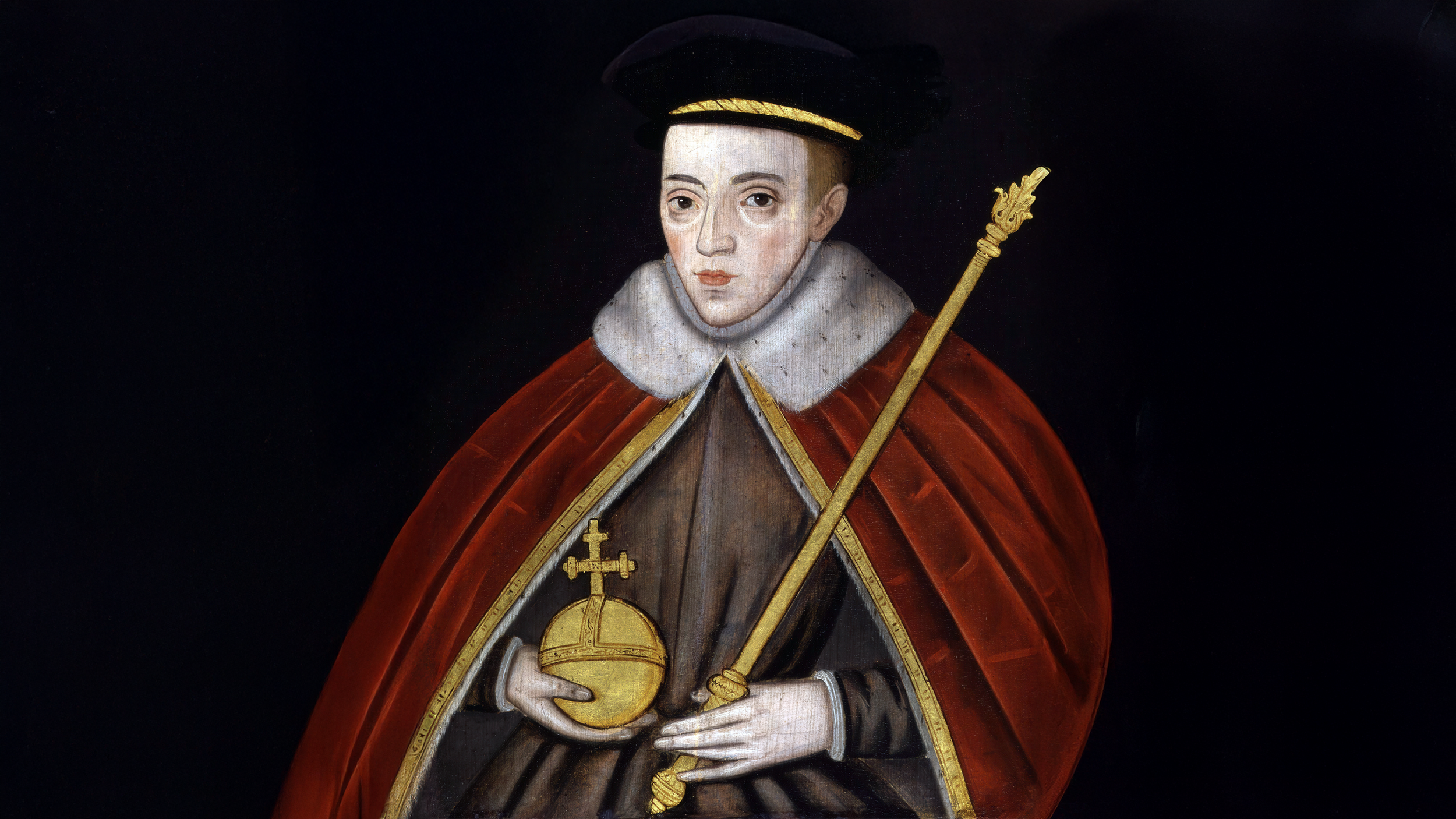
When Edward died in 1483, his 12-year-old son — also named Edward — inherited the throne. His uncle Richard, Duke of Gloucester, was named “protector.”
Unfortunately it seems that Richard had zero interest in protecting, and more interest in betraying.
Just two months in, Parliament decided to support Richard’s claim that Edward IV’s marriage was invalid because he’d been pre-contracted to another woman, Eleanor Talbot.
How convenient for Richard! That meant Edward’s kids, including young Edward V, were illegitimate. Enter Richard as the new king.
And then comes one of the most infamous events in English history. Young Edward and his little brother Richard were locked away in the Tower of London, supposedly for their safety. But soon after, both boys disappeared. Most assumed Uncle Richard had them quietly murdered. Whether true or not, history immortalized them as the tragic Princes in the Tower.
Richard didn’t keep the crown long. Henry Tudor showed up, killed him at the battle of Bosworth, and claimed the throne. To make it look nice and legitimate, Henry married Elizabeth of York — Edward IV’s daughter and the princes’ sister. Together, they began the Tudor dynasty, which of course includes King Henry VIII, and later ended with Elizabeth I.
But the ghosts of the missing princes wouldn’t rest.
Pretenders popped up left and right, claiming to be the lost Princes from the tower. Perkin Warbeck was certainly one of the boldest. He claimed to be the younger boy, Richard. And enough people believed him that he gained serious backing - from people in England, Ireland, and Scotland. He staged multiple invasions, each more dramatic than the last, before ending up a prisoner in the Tower of London himself.
By 1499, Henry VII had had enough, and Warbeck was executed. Whether he was truly Richard, a lost prince coming with a vengeance for his stolen birthright, or just a clever impostor, we’ll never know. His identity is still debated to this day.
Either way, the fates of the princes cleared the stage for Henry Tudor’s iron grip on power — and set up the Tudor dynasty to dominate England for two more explosive generations.
5. Children of Louis XIV

Ah, Louis XIV — the Sun King. History remembers him for Versailles, endless wars, and glittering court life. But his contemporaries? Well, they mostly just gossiped about his bedroom.
Louis had six legitimate children with his Spanish wife, Maria Theresa. But that was just the official tally. Off the books, he fathered maybe dozens of others with a parade of mistresses. Nobody knows for sure exactly how many little Louis’ were running around Versailles.
His two most famous lovers were Louise de La Vallière, who gave him four children, two of whom survived and were later legitimized, and the far more formidable Madame de Montespan. Montespan bore him six children — all of whom were legitimized and paraded proudly.
As France’s absolute monarch, Louis could basically bend the rules to his will. There was nothing stopping him from legitimizing his children or adding them to the line of succession…at least theoretically.
Despite already having a “proper” heir, he tried to muscle his two favorite sons into the royal line of succession. But, to his court, that was a step too far, even for the Sun King.
When he died in 1715, France was left in chaos. Pamphlets flew — more than forty of them in fact — slamming Louis for crossing a sacred line and demanding that parliament take action.
The whole debacle was dubbed the “Affair of the Princes.” In the end, Parliament shut it down: Louis’ royal offspring could enjoy their royal perks, but not the throne.
Louis’ son and grandson had already died, so the crown skipped ahead to his great-grandson, Louis XV. And wouldn’t you know it, Louis XV also had a string of illegitimate kids — but after seeing the scandal his great-grandfather stirred up, he didn’t dare legitimize them.
So yes, Louis XIV epitomized the glitter and power of an absolute monarch — but his reckless attempts to bend bloodlines in his favor planted seeds of doubt in the French people. And those seeds would one day grow into revolution.
6. Crown Prince Rudolf and the Mayerling Mystery
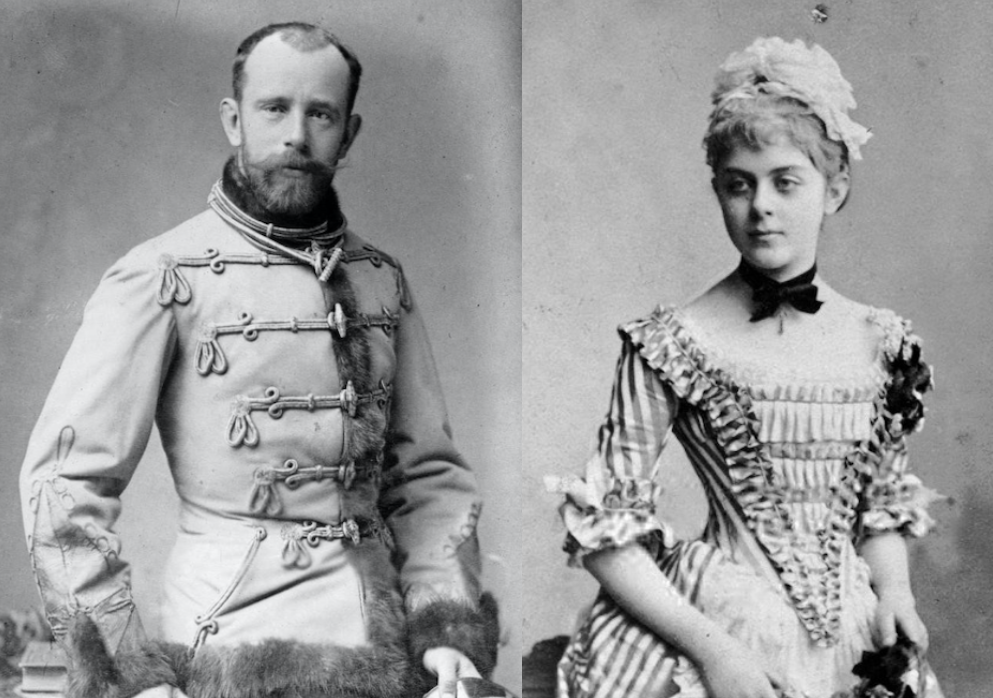
Now for a royal legitimacy scandal wrapped in tragedy… the Mayerling Incident.
Crown Prince Rudolf of Austria-Hungary, the only son of Emperor Franz Joseph and Empress Elisabeth —known as “Sisi” — was supposed to inherit one of the most powerful thrones in Europe. But instead, in 1889, he was found dead in a hunting lodge, alongside his teenage mistress, Mary Vetsera.
The official story was that it was a suicide pact. But rumors have swirled ever since: Was it murder? A cover-up? Or something even stranger?
Rudolf’s life was already turbulent. He was liberal and progressive in a court that was strict and conservative, constantly clashing with his father. His marriage to Princess Stéphanie of Belgium was cold and bitter — after the birth of their daughter, things had turned icy. He turned to heavy drinking, drugs, and affairs, and infected Stephanie with what was probably an STD - gonorrhea or syphilis - that rendered her infertile.
Then came Mary Vetsera. She was seventeen, beautiful, and infatuated with him. Rudolf was 30. Their affair scandalized Vienna, but Mary was completely devoted, writing that she wanted to “die with him.”
On January 30, 1889, the two were found dead at Mayerling, the site of the Imperial hunting lodge, and a complete scramble ensued, and misinformation spread like wildfire.
Initially it was thought that the two had died from drinking poison, after Rudolf’s valet had seen an empty glass sitting beside the dead prince. But then, it was curiously announced that Rudolf had died of a heart aneurysm - no mention of the young mistress.
Mary Vetsera’s uncles had to be rushed in to deal with her body - which had cruelly been shoved in a closet. They took her back home, with a literal broomstick propped in the back of her dress to make her look upright and alive as they rode in the carriage. The royal family attempted to report that Mary had simply died at some point during this journey home.
This secrecy and weirdness only fueled rumors. Some whispered that Mary had been pregnant, others that Rudolf was killed by political enemies, or even on orders from his own family to stop his reckless behavior.
Later, it was announced that the Crown Prince had shot Mary vetsera in a suicide pact, before shooting himself. The sheer amount of times this family changed their story certainly invites speculation.
What we do know is this: Rudolf left no legitimate heirs. With his death, the succession shifted to his cousin, Archduke Franz Ferdinand — whose assassination in 1914 would spark World War I.
So, one royal scandal set off a chain reaction that changed the entire world. Without Rudolf’s death, there might have been no Franz Ferdinand in Sarajevo… and maybe, no First World War.
To this day, the Mayerling Incident remains unsolved. Forensic analysis of Mary’s bones revealed no gunshot wound, leaving many questions unanswered. Were they just star-crossed lovers, victims of a political cover-up, or a prince who simply couldn’t bear the weight of his crown?