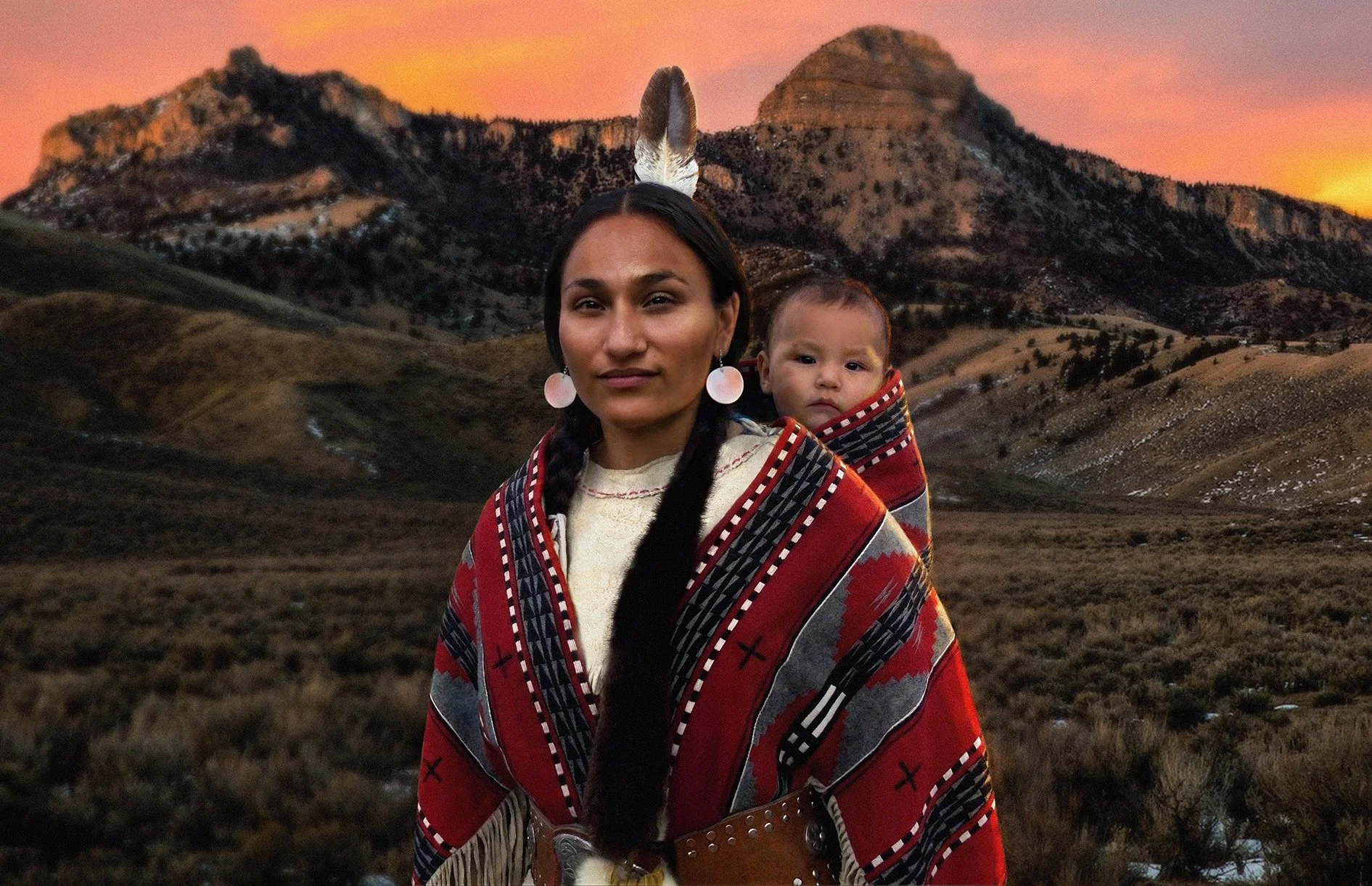
What did Sacagawea really look like? The truth behind history's most depicted Native American woman
Sacagawea is one of the most painted, sculpted, and imagined figures of the American West - yet neither Lewis nor Clark ever wrote a single word describing her appearance in their journals. There is no portrait made during her lifetime. What we're left with are guesses, projections, and, too often, wishful fiction.
Watch the full video with her history and more re-creations here!
So, what did Sacagawea really look like?
White authors of the early 1900s were particularly eager to reshape her image. One writer gave her red hair and grey eyes. Eva Emery Dye described her as the "Madonna of her Race," with a fine, straight nose - features that said far more about 20th-century white culture's desire to claim her than about the woman herself.
The reality is grounded in what we know of the Shoshone people. Copper-skinned and strong-featured, Shoshone individuals typically had broad faces with high, prominent cheekbones and a strong, sloping nose. Late 19th-century photographs of the Shoshone - though taken after Western clothing had been widely adopted - give us a visual window into those features.
In Sacagawea's time, Shoshone clothing was practical and beautiful. The cold climate demanded full deerskin tunics and pants, often worn with a decorated blanket or shawl. Braids were wrapped in fur, and belts and clothing were richly adorned with beadwork. We even know Sacagawea owned a beaded belt - she famously traded it during the expedition for a fur cloak.
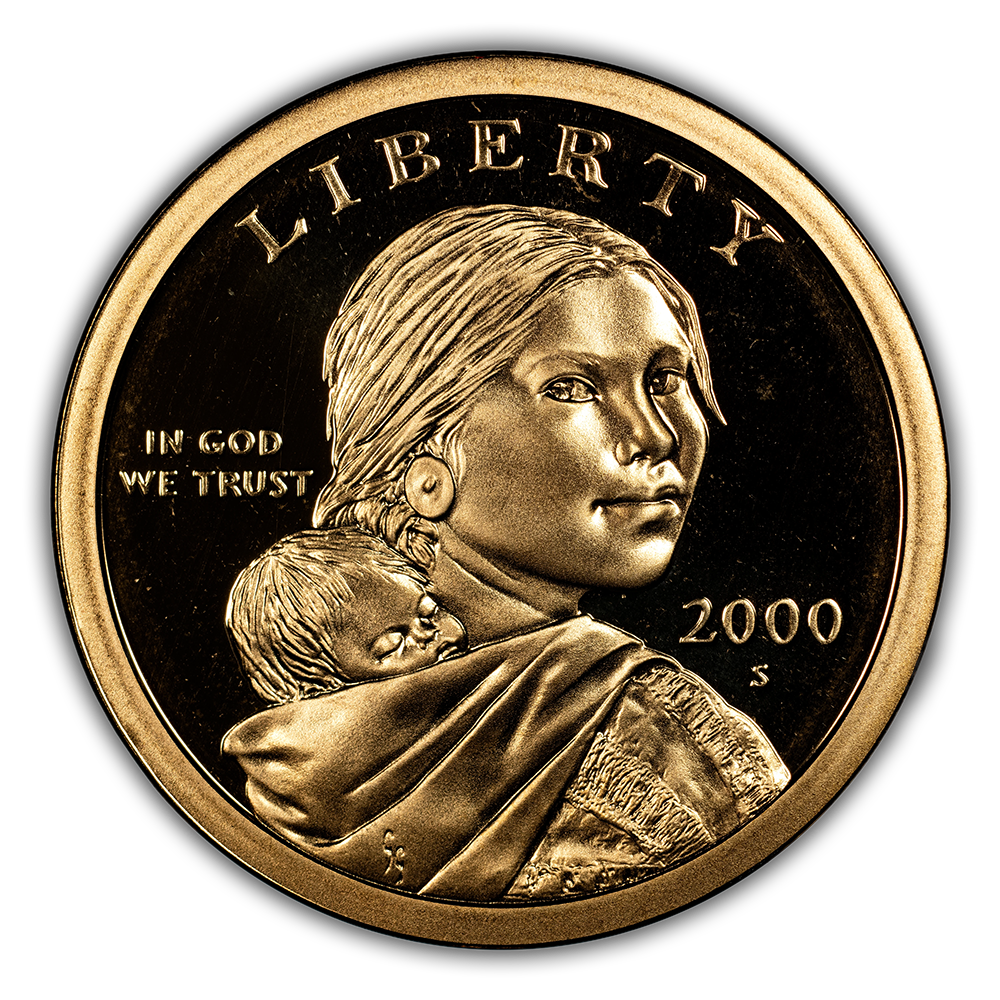
For her re-creation, I've drawn on the Bismarck, North Dakota statue sculpted by Leonard Crunelle (rumored to be based on one of Sacagawea's descendants), as well as the iconic U.S. Dollar Coin, which used a Shoshone woman named Randy’l Teton as its model. Together with other Shoshone references, these formed the foundation for reconstructing her face.
She likely wore one or two braids, shell earrings, and a beaded fringe tunic - with her infant son Jean Baptiste strapped to a cradleboard or wrapped warmly against her. This is the Sacagawea history forgot to describe, and the one she deserves to be remembered as.